Public Blog
Exploring the intersection of cognition, AI, and evidence-based reasoning from my public shareable work.
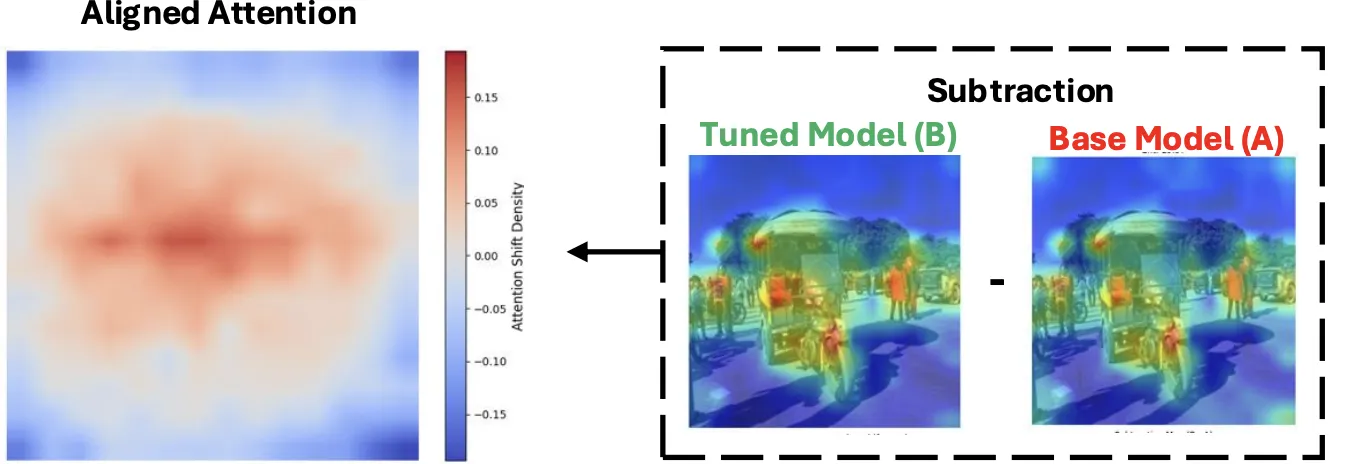
Cognitive Alignment at No Cost: Human-like Attention in Vision Transformers
Fine-tuning Vision Transformers on human fixation maps improves cognitive alignment and interpretability, without measurable loss in classification performance.
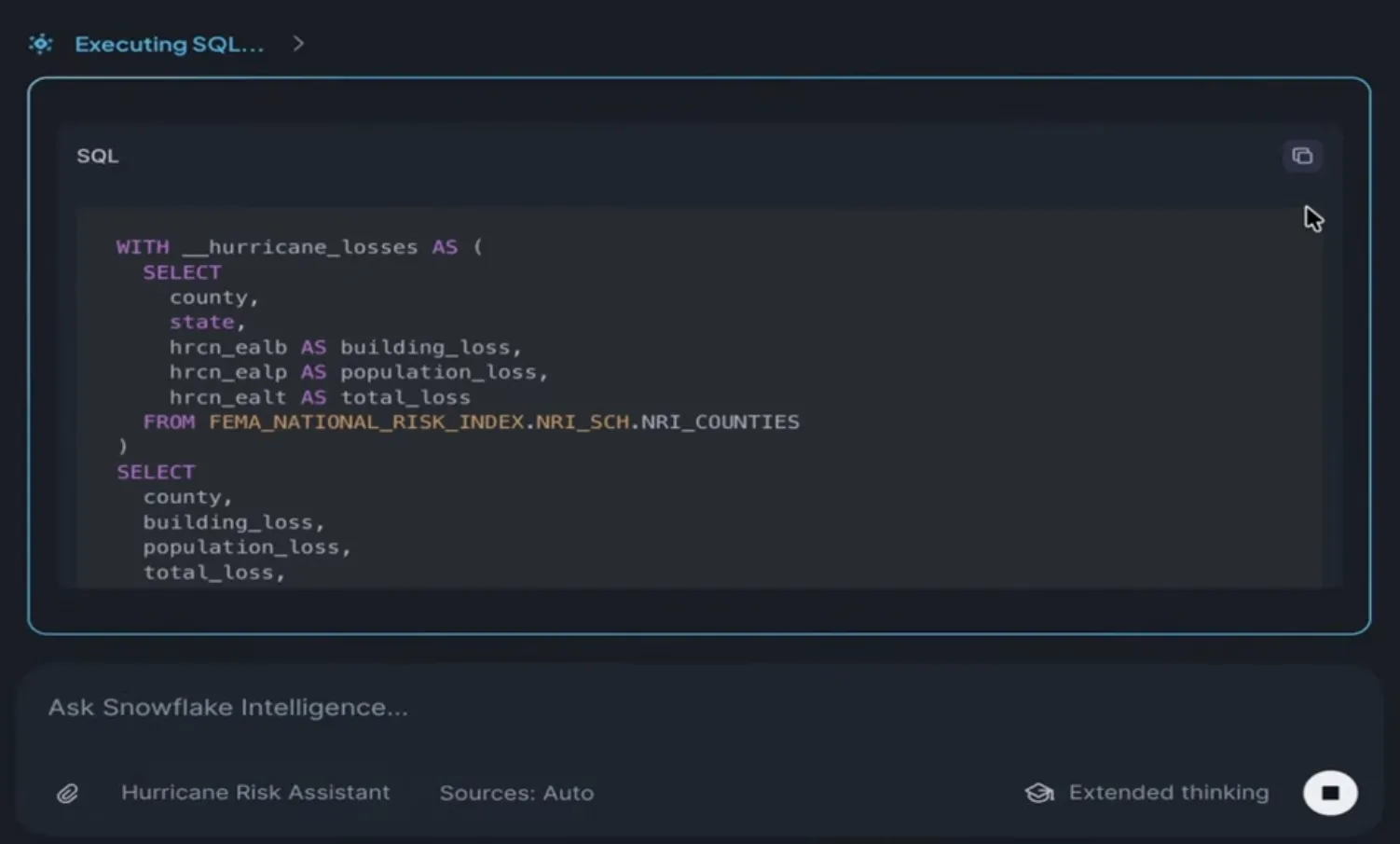
Snowflake Agents in Action: Cortex Analyst & Autonomous SQL
Demonstration of a Snowflake Agent using Cortex Analyst to autonomously generate SQL code and plot historical hurricane risk vectors.
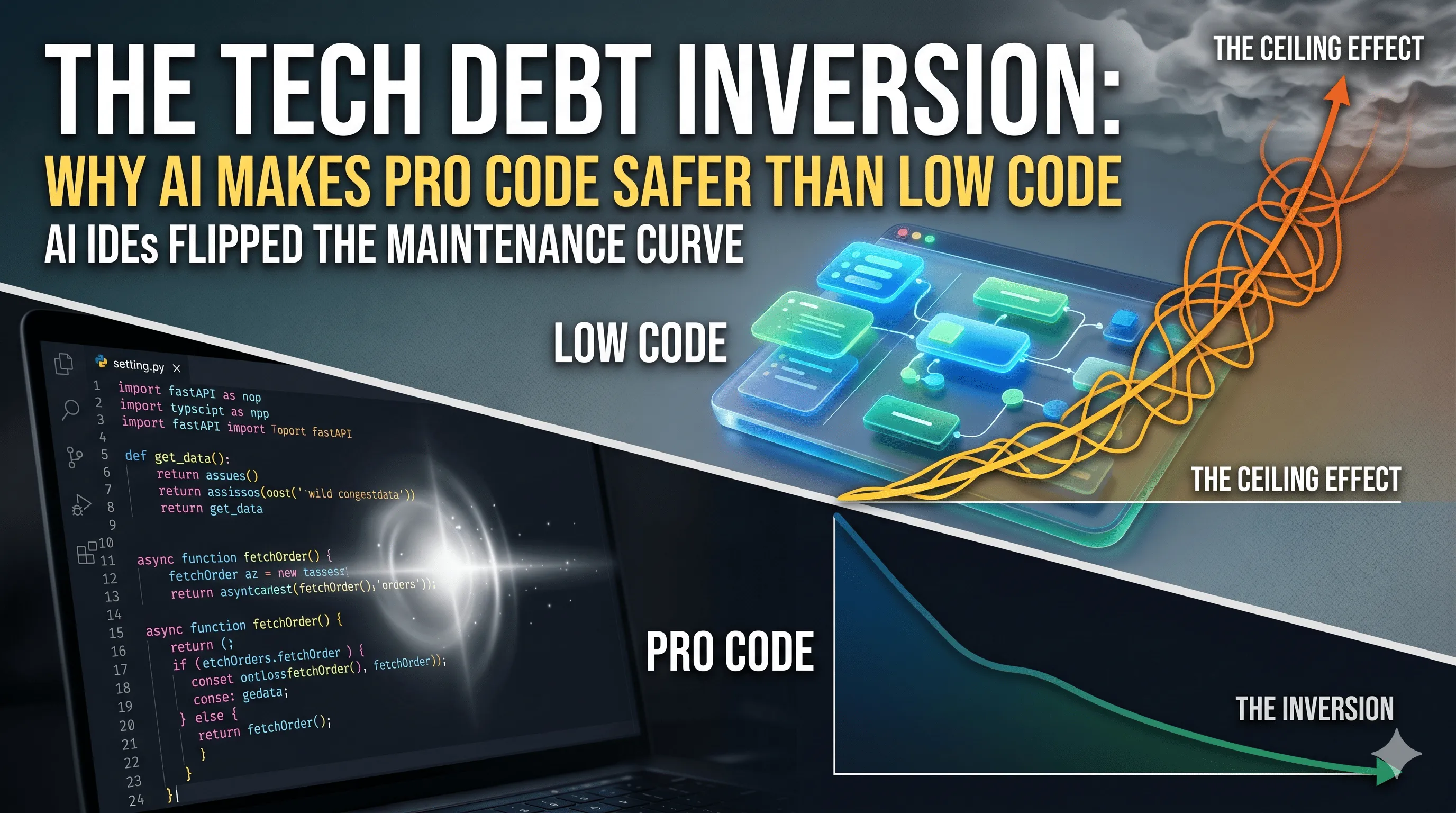
The Tech Debt Inversion: Why AI Makes Pro Code Safer Than Low Code
Analysing how AI IDEs have flipped the maintenance curve, making custom development reduced risk compared to low-code platforms.

Code (GitHub Repositories)
Technical repositories, open-source software packages, and computational tools.

Demo - LLM Chat Assistant
Interactive Large Language Model Chat Assistant Demo using DeepSeek-R1 via Huggingface inference, with Supabase backend for interaction tracking and sentiment analysis.

Understanding User Journeys in the Rentals Market
EIRA Case Study: researching user journeys of an online platform to optimise UX and improve conversion rates.

Peripheral & bimanual reaching after stroke with left visual neglect
Investigating reaching movements in a stroke survivor with left visual neglect using motion-capture technology.

Strongest evidence of brain's ability to compensate for cognitive decline
Cambridge Research News coverage of our findings on how the brain compensates for age-related deterioration.

Neural evidence of functional compensation for fluid intelligence
Ageing cohort study providing Bayesian evidence that older adults recruit additional brain activity to compensate for cognitive decline.
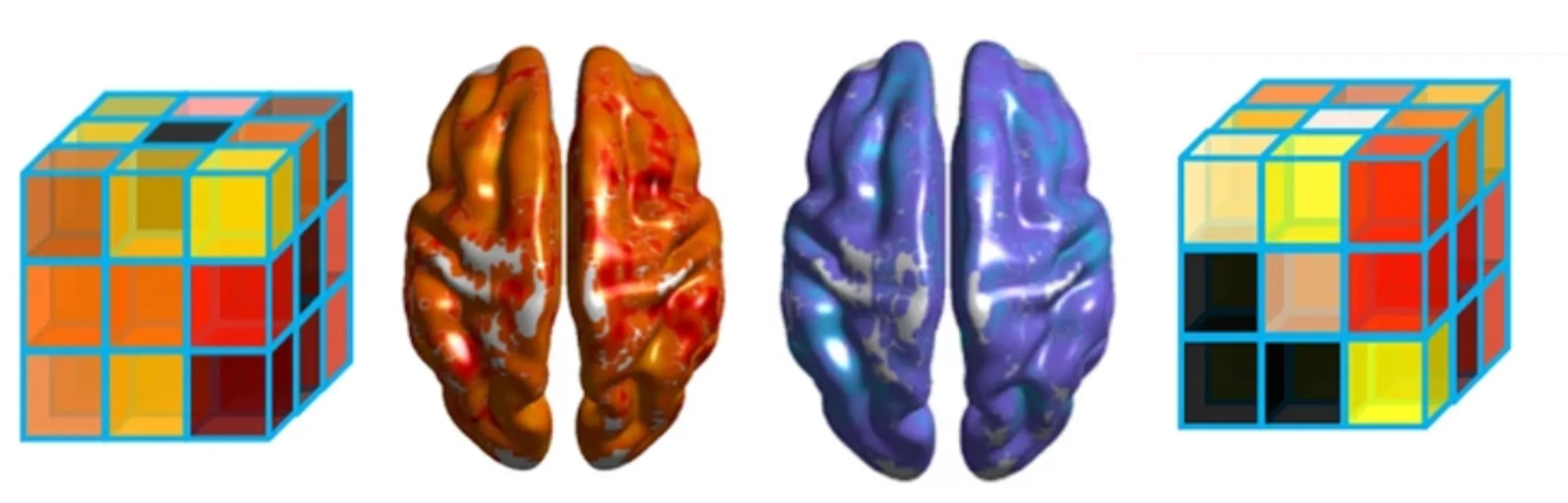
The role of the anterior temporal cortex in action
fMRI multivariate searchlight analysis providing evidence that left anterior temporal cortex processes tool manipulation semantics.

Dedifferentation of motor cortex in healthy ageing
Refuting the hypothesis that reduced motor lateralisation in older adults compensates for age-related decline.

Holding a tool wrong? This brain region will notice
News & Views article discussing findings that hand-selective visual regions represent how to grasp 3D tools.